
Inside US Audience Attitudes to the FIFA World Cup 2026™
Published on
by James Chadderton
With the FIFA World Cup 2026™ set to kick off across Canada, Mexico and the United States, North America is preparing to host the largest tournament in football history. For the United States, it also marks a return to home soil more than three decades after the 1994 FIFA World Cup™, a moment that helped accelerate the sport’s growth in the country.
Today, that growth is clearly reflected in audience attitudes.
New research from SPORTFIVE Business Intelligence, based on a survey of the U.S. general population and analysed across age groups, sports-interest audiences and key high-value segments, provides a clear view of how fans are engaging with the tournament ahead of 2026 and where the biggest opportunities lie.
In this Insight:
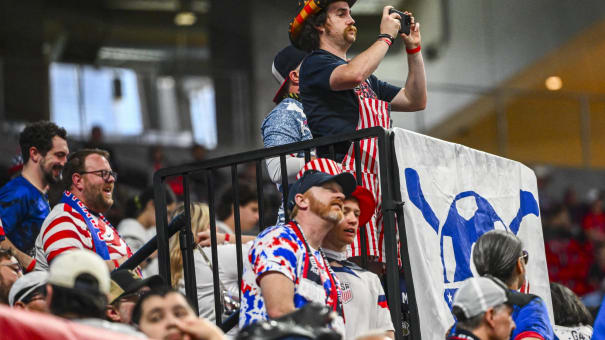
Room to Grow
Nearly half of Americans (47.5%) already express interest in the FIFA World Cup 2026™, including more than a quarter (25.9%) who say they are very interested.
At the same time, a significant share of the market (38.7%) remains disengaged. This balance highlights both the strength of the existing base and the clear opportunity to broaden the tournament’s reach beyond core audiences.
Compared to 1994, when football was still establishing its place in the US sports landscape, this level of early engagement signals just how far the game has come. Interest is being matched by intent. 48.1% of Americans say they plan to follow the tournament, with 26.5% stating they will definitely follow.
This close alignment between interest and planned behaviour underlines a key dynamic: engagement is not just passive awareness. A sizeable audience is already actively preparing to engage with the tournament as it approaches.
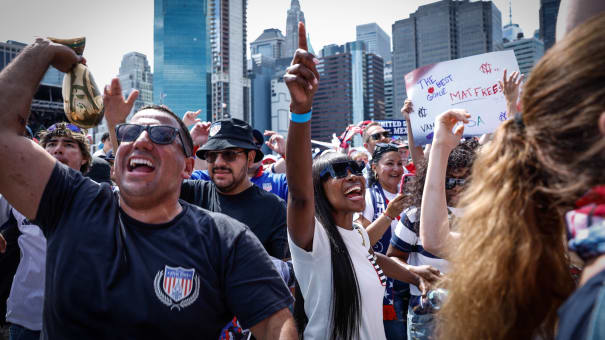
A Generational Growth Story
The data reveals a clear generational shift, with Gen Y (30–45) emerging as the most engaged audience:
61.9% are interested
59.1% plan to follow
40.4% say they will definitely follow
At the same time, high-value audiences are equally compelling. Senior Decision Makers stand out as one of the most engaged segments, with 72.5% expressing interest and 75% planning to follow the tournament.
Together, these groups combine scale, intent and commercial relevance, making them critical audiences for brands and rightsholders alike.
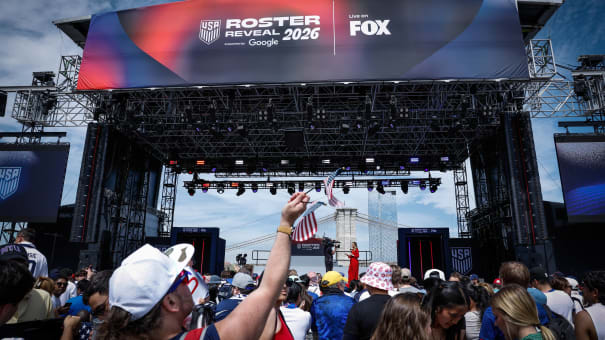
Primarily Home Viewing but Highly Social
As expected, home viewing will anchor the FIFA World Cup™ experience in 2026. Among those planning to follow the tournament, 69.9% expect to watch at home via TV or streaming.
But the data also points to a distinctly social dimension:
38.9% plan to watch in sports bars, pubs or restaurants
25.8% favour private watch parties
23.7% are interested in public viewing events and fan zones
The result is a hybrid consumption model, combining the accessibility of home viewing with strong demand for shared, in-person experiences.
For US audiences, the FIFA World Cup™ story will be driven above all by the home team.
When asked which teams they are most excited to follow, 50.2% of respondents selected the United States, far ahead of global powerhouses such as:
Brazil (11.7%)
Argentina (10.6%)
This gap underlines the importance of domestic storytelling in unlocking wider engagement, particularly as the tournament unfolds on home soil.

From Beckham to Messi: The Power of Global Icons
The role of global superstars in shaping football’s growth in the United States is well established and Lionel Messi’s arrival at Inter Miami has further accelerated that trajectory.
Since joining MLS, Messi has driven unprecedented levels of global attention, commercial interest and matchday demand, reinforcing the league’s visibility both domestically and internationally.
This moment echoes the transformational impact of David Beckham’s move to LA Galaxy in 2007, which helped reposition MLS as a credible destination for elite talent and catalysed broader investment in the sport.
More widely, the continued influx of high-profile international players has played a defining role in elevating football’s cultural relevance in the US, bridging global and local fanbases, raising competitive standards, and building the sustained interest that now underpins the FIFA World Cup 2026™ on home soil.
A Defining Moment
With the FIFA World Cup™ returning to North America, this time across three host nations and an expanded competition format, 2026 represents a defining moment for the sport.
The findings from SPORTFIVE Business Intelligence point to a strong foundation already in place: a sizeable and engaged audience, clear intent to follow, and a viewing experience that extends well beyond the home into social environments.
Much like in 1994, the long-term impact may ultimately go beyond the tournament itself.
The opportunity is not just to capture existing fans but to bring entirely new audiences into the game.
For a deeper understanding of who these audiences are and how they engage with the sport, explore SPORTFIVE’s full analysis in Soccer Fandom in the US.
Frequently Asked Questions
Marketing is crucial in sports for several reasons. Firstly, it enhances the visibility and popularity of sports teams, athletes, and events, attracting a broader audience and increasing fan engagement. Effective marketing strategies help create a strong brand image, fostering a connection between fans and their favourite teams or athletes. This emotional connection often leads to increased fan loyalty and support, translating into higher ticket sales, merchandise purchases, and overall revenue for sports organisations.
Moreover, marketing in sports plays a pivotal role in securing sponsorships and partnerships. Brands are drawn to sports entities with a significant and engaged fan base, offering lucrative opportunities for sponsorship deals. These partnerships not only provide financial support but also contribute to the overall prestige and marketability of the sports brand.
In the contemporary landscape, digital marketing and social media have become integral components of sports marketing, allowing for real-time interaction with fans, personalised content delivery, and global reach. Social media platforms serve as powerful tools to amplify the sports narrative and engage with fans on a more intimate level.
Ultimately, successful sports marketing goes beyond promoting matches and events; it cultivates a culture, builds communities, and transforms sports into a compelling and marketable entertainment product, driving the industry's growth and sustainability.
Sports marketing encompasses various strategies and channels aimed at promoting and improving the visibility of sporting events, teams, athletes, and associated brands. Here is a list of the main types of sports marketing:
Sponsorship marketing:
- Naming rights: Companies pay for the naming rights to stadiums, events, or competitions, thereby associating their brand with a sports property.
- Team sponsorship: Brands sponsor sports teams and gain visibility through their logos on jerseys, equipment, and team facilities.
- Athlete promotion: Brands partner with athletes to promote their products, leveraging the athletes' image and popularity.
Advertising in sports
- Audiovisual advertising: commercials aired during televised or streamed sporting events.
- Stadium advertising: billboards, banners, and digital screens in sports venues.
- Print and digital advertising: ad placements in sports magazines, websites, and mobile apps.
Event marketing
- Promotions and gifts: special offers, discounts, or gifts to attract participants.
Social media marketing
- Content creation: sharing engaging and relevant content on platforms such as Instagram, Twitter, and Facebook.
- Influencer partnerships: collaborating with sports influencers and athletes to reach a wider audience.
- Live streaming: broadcasting live events, behind-the-scenes footage, or exclusive content on social media.
Community and local marketing
- Youth and amateur sports: engaging with local communities through youth programs and local initiatives.
- Community events: participating in or organizing events that help build relationships with local residents.
- Sponsorship of local teams: supporting and sponsoring local amateur sports teams.
Content marketing
- Branded content: creation and promotion of content in line with brand values in a sports context.
- Documentaries and series: development of long-form content telling compelling stories in the field of sports.
Digital and mobile marketing
- Mobile apps: developing apps for teams or events to boost fan engagement.
- Email marketing: using email campaigns to communicate with fans and promote events.
- Augmented reality (AR) and virtual reality (VR): integrating immersive experiences into marketing efforts.
Public Relations (PR) and Media Relations
- Press releases: Distributing information to the media to generate media coverage.
- Media interviews: Organizing interviews with athletes, coaches, and team representatives to build positive narratives.
By combining these different types of sports marketing, organizations can create comprehensive, integrated strategies to achieve their marketing goals within the dynamic sports industry.
Choosing the right target audience in sports marketing is crucial for creating effective and resonant campaigns. Here are tips and strategies to identify and engage the appropriate audience:
Define Marketing Objectives: Clearly outline your marketing goals. Whether it's brand awareness, fan engagement, or product sales, understanding your objectives guides audience selection.
Understand Your Brand: Identify the core values and identity of your brand. Understanding your brand's personality helps in aligning with an audience that shares similar values.
Analyse Demographics: Gather demographic data such as age, gender, location, income, and education. This information helps create a profile of your ideal audience.
Study ‘Psychographics’: Go beyond demographics to understand the psychographics of your audience - values, interests, lifestyles, and attitudes. This provides deeper insights into consumer behaviour.
Consider Fan Affiliation: If you are associated with a sports team or event, consider the existing fan base. Targeting fans of the specific sport or team ensures a built-in audience.
Utilise Market Segmentation: Segment your target market based on shared characteristics or behaviours. This allows for more personalised and targeted marketing efforts.
Evaluate Media Consumption Habits: Understand where your target audience consumes sports content. Whether it's through TV, social media, or live events, tailor your strategy to their preferred channels.
Leverage Analytics and Data: Utilise data analytics to track consumer behaviour, engagement metrics, and market trends. This data-driven approach helps refine your targeting over time.
Engage in Market Research: Conduct surveys, interviews, or focus groups to gather direct feedback from your audience. This qualitative data can provide valuable insights.
Monitor Competitor Strategies: Analyse the sports marketing strategies of competitors targeting a similar audience. Identify gaps or opportunities to differentiate your approach.
Embrace Personalization: Tailor your messaging and campaigns to resonate with specific segments within your target audience. Personalization enhances engagement and connection.
Stay Flexible and Adaptive: Consumer behaviours evolve, and trends change. Stay flexible and adaptive, adjusting your strategies based on shifts in the market.
Utilise Social Listening: Monitor social media conversations to understand what your target audience is discussing, sharing, and engaging with. Social listening provides real-time insights.
Create Buyer Personas: Develop detailed buyer personas representing your ideal customers. This helps humanise your target audience and guides content creation.
Engage in Continuous Feedback: Encourage feedback from your audience through surveys, comments, or reviews. Continuous feedback helps refine your understanding of their preferences.
By combining these strategies, sports marketers can identify, understand, and engage their target audience more effectively, leading to successful campaigns and a stronger connection with consumers.
Social media plays a pivotal role in sports marketing, providing a dynamic and interactive platform to engage with fans, build brand presence, and amplify the reach of sports entities. The significance of various platforms, including Facebook, X (formerly Twitter), Instagram, TikTok, and emerging Web 3 formats, is immense:
Fan Engagement and Community Building
Social media platforms facilitate direct interactions between sports entities and fans, fostering a sense of community and engagement. Fans can share experiences, express opinions, and connect with their favourite teams, athletes, and events.
Real-time Updates and News Distribution
Platforms like X (formerly Twitter) serve as real-time news feeds, allowing sports organisations to share updates, live scores, and breaking news instantly. This immediacy enhances the fan experience and keeps them informed.
Visual Storytelling on Instagram
Instagram's visual-centric nature is ideal for sports marketing. Teams and athletes use it to share behind-the-scenes content, highlight moments, and create visually appealing narratives that resonate with fans.
Short-form Content on TikTok
TikTok's popularity for short-form, engaging content is harnessed by sports entities to showcase highlights, challenges, and entertaining snippets, appealing to a younger and diverse audience.
Brand Visibility and Sponsorship Activation
Brands leverage social media to activate sponsorships, promoting partnerships with teams or athletes through branded content, challenges, and interactive campaigns. This enhances brand visibility and aligns with the interests of the sports community.
Emergence of Web 3 Platforms
Web 3 platforms, driven by blockchain and decentralised technologies, are gaining traction. These platforms offer new possibilities for fan engagement, tokenized assets, and ownership models, allowing fans to have a more direct and participatory role in the sports ecosystem.
Global Reach and Accessibility
Social media breaks down geographical barriers, enabling sports organisations to reach a global audience. Live streaming, highlights, and interactive features ensure accessibility for fans worldwide.
Influencer Marketing and Athlete Branding
Athletes and sports influencers utilise social media to build personal brands, connect with fans, and attract sponsorships. Brands leverage athlete influencers to reach specific demographics and enhance their marketing efforts.
Fan-generated Content
Social media encourages fan-generated content, turning fans into brand ambassadors. User-generated content, such as fan art, reactions, and challenges, contributes to a vibrant sports community.
Data-driven Insights
Platforms provide valuable analytics and data, allowing sports marketers to understand audience behaviour, tailor content strategies, and measure the impact of campaigns.
Overall, social media platforms play a multifaceted role in sports marketing, enabling real-time communication, fostering community, and creating innovative ways to connect with fans and consumers. The evolution of platforms, including the rise of Web 3 technologies, continues to shape the future of sports marketing in the digital age.
Measuring the success of sports marketing activities involves assessing various key metrics and indicators that reflect the impact and effectiveness of campaigns. Here are key elements to consider:
Brand Awareness
Metrics: Tracking changes in brand awareness, recall, and recognition
Indicators: Increased mentions, positive sentiment, and improved brand recall among the target audience
Audience Engagement
Metrics: Monitoring likes, shares, comments, and overall engagement on social media platforms
Indicators: High levels of fan interaction, user-generated content, and social media impressions
Fan Base Growth
Metrics Tracking the growth in the number of followers, subscribers, or members
Indicators: Increasing fan base size on social media, email subscriptions, or official fan club registrations
Reach and Impressions
Metrics: Measuring the overall reach and impressions of marketing content
Indicators: High views, shares, and impressions across various channels and platforms
Conversion Rates
Metrics: Analysing the conversion of audience engagement into desired actions (e.g., ticket sales, merchandise purchases)
Indicators: Increased conversion rates and positive trends in desired actions
Return on Investment (ROI)
Metrics: Calculating the financial returns relative to the investment made in the marketing campaign.
Indicators: Positive ROI, where the revenue generated exceeds the marketing expenses.
Social Media Analytics
Metrics: Utilising platform-specific analytics for likes, retweets, shares, and follower growth
Indicators: A steady increase in engagement metrics and positive trends in follower growth
Website Traffic and Conversions
Metrics: Monitoring website traffic, page views, and conversion rates
Indicators: Increased website visits, longer time spent on site, and higher conversion rates
Brand Sentiment
Metrics: Analysing sentiment analysis tools to assess the overall sentiment towards the brand
Indicators: Positive shifts in sentiment, indicating a favourable perception among the audience
Partnership Impact
Metrics: Assessing the impact of sponsorships and partnerships on both brands involved
Indicators: Increased visibility, positive brand associations, and successful activation of sponsorship agreements
In-Game or Event Metrics
Metrics: Analysing in-game or event-specific metrics, such as attendance, TV viewership, and in-stadium engagement
Indicators: Positive trends in event-related metrics and overall fan experience
Surveys and Feedback
Metrics: Utilising surveys and feedback to gather direct opinions from the audience
Indicators: Positive feedback, high satisfaction levels, and insights for improvement
By assessing these metrics and indicators collectively, sports marketers can gain a comprehensive understanding of the success and impact of their marketing activities, allowing for data-driven adjustments and improvements in future campaigns.
The future of sports marketing is expected to be shaped by a combination of technological advancements, shifting consumer behaviours, and a continued focus on sustainability and social responsibility. Here are some potential directions for the future of sports marketing:
Immersive Technologies
Continued integration of immersive technologies such as augmented reality (AR), virtual reality (VR), and extended reality (XR) to create more engaging and interactive fan experiences. Virtual stadium tours, AR-enhanced game broadcasts, and VR fan zones may become commonplace.
Fan Tokenization and Blockchain
Greater adoption of blockchain technology for fan tokenization, enabling fans to have ownership stakes, voting rights, and access to exclusive content. Blockchain can enhance transparency in ticketing, merchandise authentication, and secure transactions.
Personalization and Data Analytics
Further emphasis on personalised fan experiences through advanced data analytics. Sports marketers will leverage data to tailor content, offers, and interactions, fostering deeper connections with individual fans.
Sustainable Practices
Increased commitment to sustainability in sports marketing, with sports organisations implementing eco-friendly initiatives, promoting green events, and incorporating sustainable practices into their operations.
Social Responsibility and Inclusivity
Continued focus on social responsibility and inclusivity. Sports entities will use their platforms to advocate for social causes, promote diversity and inclusion, and engage in community-driven initiatives.
Direct-to-Consumer Strategies
Greater reliance on direct-to-consumer strategies, with sports organisations leveraging e-commerce, streaming services, and personalised digital platforms to connect directly with fans, reducing dependence on traditional distribution channels.
Artificial Intelligence (AI) Integration
Integration of artificial intelligence (AI) for more efficient fan engagement, customer service, and data analysis. AI-driven chatbots, predictive analytics, and automated marketing campaigns will enhance overall efficiency.
Health and Wellness Partnerships
Increased collaborations with health and wellness brands as sports organisations align with companies promoting fitness, nutrition, mental well-being, and overall healthy lifestyles.
Global Expansion and Emerging Markets
A focus on global expansion and tapping into emerging markets, reaching diverse audiences worldwide through strategic partnerships, international events, and region-specific marketing strategies.
Esports Growth
Continued growth of esports and its integration into traditional sports marketing strategies. Esports sponsorships, events, and collaborations will become more prevalent, appealing to a younger and digitally connected audience.
Smart Stadiums and Fan Engagement
Smart stadium initiatives to enhance the in-person fan experience, incorporating technology for personalised services, seamless connectivity, and interactive features that complement live events.
Dynamic Content and Storytelling
Dynamic content creation and storytelling strategies that capture the attention of diverse audiences. Brands will focus on creating compelling narratives and shareable content to resonate with fans emotionally.
Partnerships with Influencers and Creators
Increased partnerships with influencers, content creators, and social media personalities to amplify sports marketing messages and reach broader demographics.
Continuous Innovation
A culture of continuous innovation, with sports marketers embracing emerging technologies, experimenting with new formats, and staying agile to adapt to changing consumer preferences.
The future of sports marketing is dynamic, with technology playing a central role in enhancing fan experiences and engagement. Sports marketers who embrace innovation, prioritise fan relationships, and align with societal values are likely to thrive in this evolving landscape.
Measuring the effectiveness of sports marketing and sponsorships involves assessing various key performance indicators (KPIs) to determine the impact on brand visibility, engagement, and business outcomes. Here are specific steps to measure effectiveness:
Define Clear Objectives
Clearly articulate the goals and objectives of your sports marketing and sponsorship initiatives. These could include brand awareness, customer acquisition, or enhancing brand image.
Brand Exposure Metrics
Measure the reach and frequency of brand exposure, including logo visibility, mentions, and advertisements during sports events.
Utilise tools for media monitoring and analytics to quantify the extent of brand visibility.
Social Media Analytics
Monitor social media metrics to assess the impact of sports marketing campaigns. Track likes, shares, comments, and follower growth.
Analyse sentiment analysis to gauge audience perceptions and engagement.
Fan Engagement
Evaluate attendance at sponsored events and fan engagement with branded activities.
Track participation in promotions, contests, or interactive experiences initiated through sports marketing efforts.
Market Research and Surveys
Conduct market research and surveys to measure changes in brand awareness, perception, and recall among the target audience.
Assess the effectiveness of specific sponsorship activations in influencing consumer behaviour.
Lead Generation and Conversion Rates
Track leads generated through sports marketing initiatives and sponsorship activations
Analyse conversion rates to understand how effectively the marketing efforts translate into tangible business outcomes
Return on Investment (ROI)
Calculate the financial return on investment by comparing the costs of sports sponsorship against the revenue generated.
Use financial metrics like cost per acquisition, customer lifetime value, and overall ROI to assess the efficiency of marketing spend.
Brand Image and Alignment
Assess the alignment of the sports sponsorship with the brand's values and image.
Measure whether the association with sports properties positively influences brand perception.
Partnership Impact
Evaluate the impact of partnerships formed through sports sponsorship. Assess collaborative efforts that contribute to mutual goals and objectives.
Media and Broadcast Metrics
Analyse television ratings, online streaming metrics, and other broadcast-related data to understand the audience reached through sports events.
Long-Term Relationship Building
Evaluate the potential for long-term relationships with sports organisations, athletes, or fans.
Consider the sustainability and growth of brand affinity beyond the immediate sponsorship period.
Regularly analyse and compare these metrics to the predefined objectives to gauge the overall effectiveness of sports marketing and sponsorships. Adjust strategies based on insights gained to optimise future campaigns.
