
From 1994 to 2026: Soccer’s Transformation in the Americas Reaches its Defining Moment
Published on
by Jack Milko
Soccer in the U.S. has evolved into a global ecosystem. What began as an emerging sport is now a mature market, featuring competitive leagues, a strong talent pipeline, and a rapidly growing fan base.
The U.S. soccer market is uniquely cross-border. Fan engagement is driven by MLS, Liga MX, and top European leagues, with structural changes like MLS’s global calendar alignment further integrating the Americas into the international game.
The 2026 FIFA World Cup™ is a defining commercial inflection point. The tournament will accelerate growth, but long-term value depends on converting visibility into revenue through smarter media, sponsorship, and data-driven commercial strategies.
In this Insight:

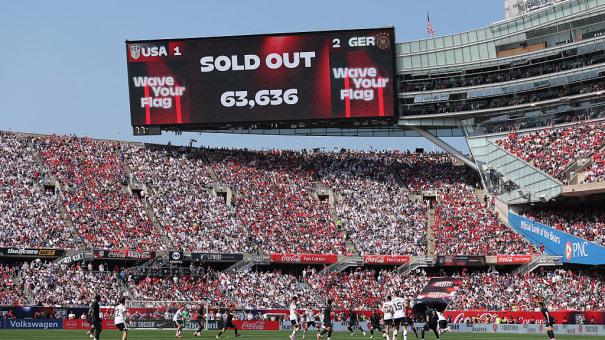
When the FIFA World Cup™ first came to the United States in 1994, it marked the starting point for modern soccer in the country. The tournament generated awareness, sparked interest, and laid the foundation for what would become Major League Soccer.
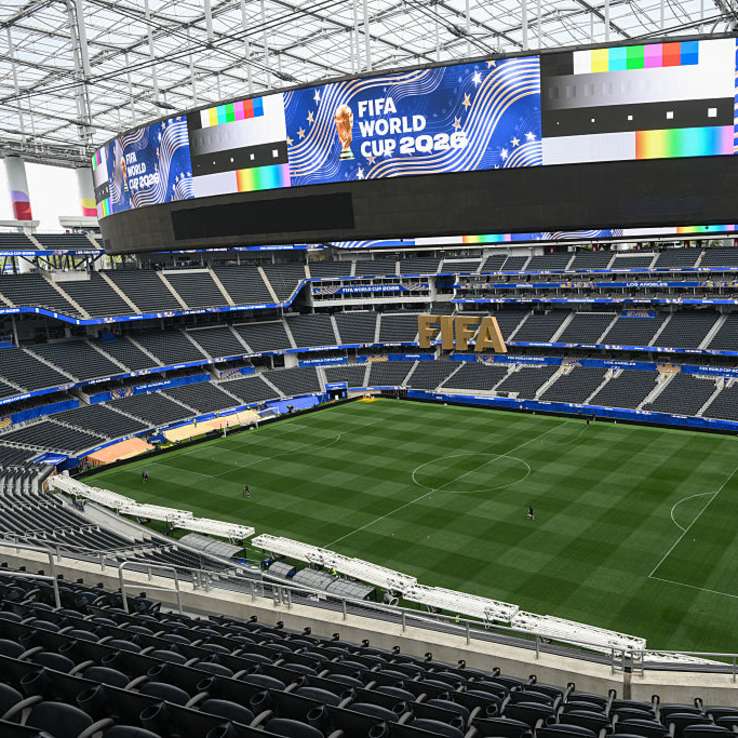
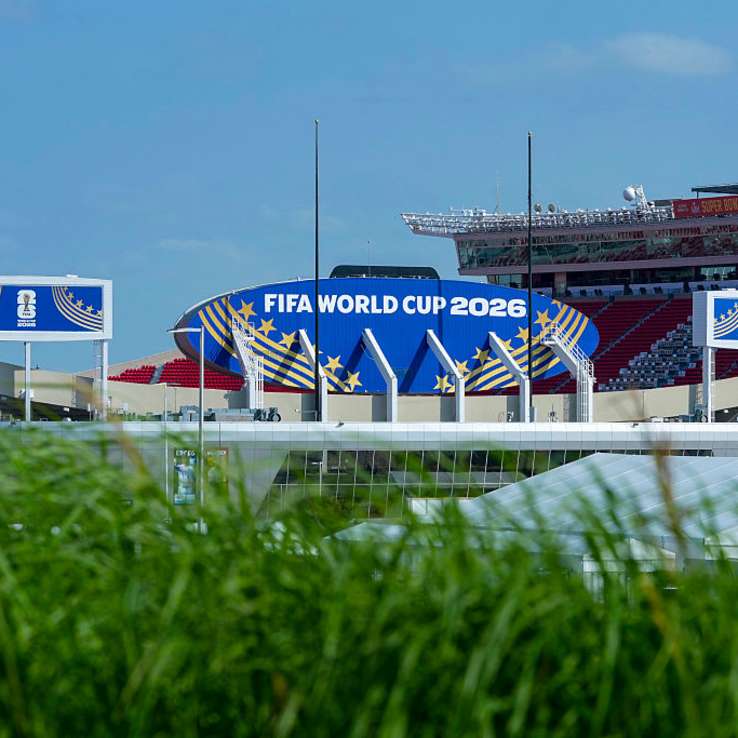
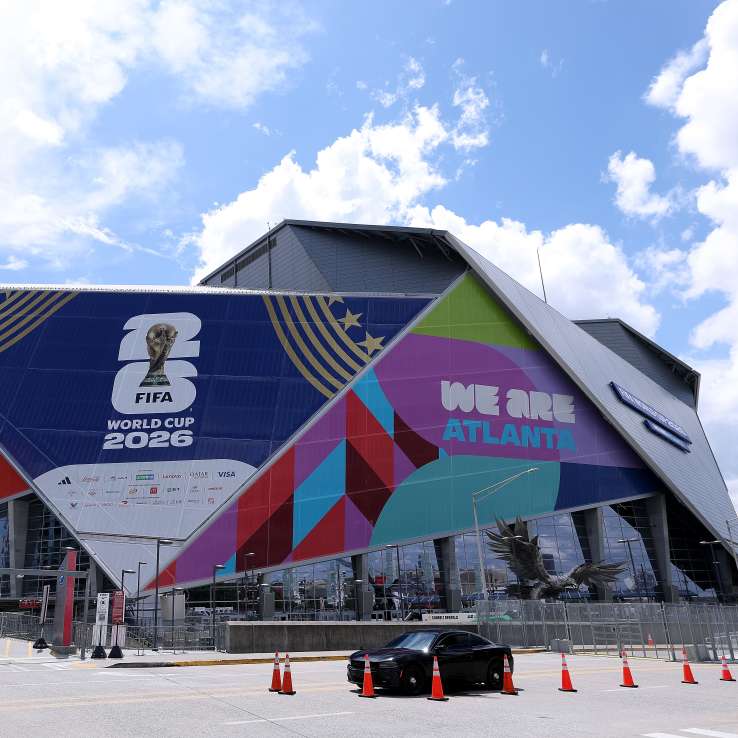
In 2026, the World Cup™ returns to a completely transformed landscape.
What was once an emerging market is now a maturing soccer ecosystem defined by stronger leagues, a globally competitive player pipeline, and a growing, deeply engaged fan base. The 2026 FIFA World Cup™ is not an introduction; it is a validation.
More importantly, it is a launching point for the next phase of growth, where the commercial side of the game must evolve as quickly as the sport itself.

A Structurally Stronger, Globally Connected Game
The most visible change since 1994 is the strength of the sporting product.
MLS has developed into a credible and increasingly competitive top-flight league, supported by a deeper ecosystem that includes MLS NEXT Pro and the USL. This multi-tiered structure has strengthened the overall pyramid, thus creating more opportunities for players, increasing competition, and reinforcing long-term sustainability.
At the same time, MLS is taking deliberate steps to integrate more fully into the global soccer system. The league’s decision to shift to a summer-to-spring calendar beginning in 2027, and aligning with the world’s top leagues, represents one of the most significant structural changes in its history.

This move is about more than scheduling. It is about synchronizing with global transfer windows, improving player movement, and enhancing the league’s ability to compete internationally. It signals a broader shift: North America is no longer operating on the margins of global soccer, but increasingly as part of its core structure.
That integration is also being reinforced from the outside. Top European leagues, including Serie A in Italy and Spain’s La Liga, are increasingly exploring opportunities to stage regular season matches in the United States, like what the NFL is already doing around the world.
Together, these developments point to a more connected soccer ecosystem: one where the Americas are not only developing talent and competition domestically but becoming a central hub in the global structure of the sport.


Commercial Acceleration: The Opportunity Ahead
While the sporting side of soccer in the Americas has made significant strides, the commercial opportunity is still being unlocked. Fan engagement is already strong, as SPORTFIVE explored in its 2025 whitepaper, “Soccer Fandom in the U.S.”, which found that nearly 39% of the U.S. population engages with soccer at some level, thus highlighting both the scale and diversity of the audience.
That said, the U.S. market has long been shaped by global competition. For decades, Liga MX has been one of the most-watched soccer leagues in the country, reflecting the cultural influence of Hispanic and Latino audiences, even as the Premier League continues to gain ground. This reinforces a key dynamic: soccer fans in the U.S. engage across borders.

MLS, meanwhile, is building a passionate and multifaceted fan base, supported by rising attendance and strong matchday experiences. At the same time, younger, digitally native audiences are engaging with the sport in increasingly fragmented ways, reshaping how value is created across platforms.
The 2026 FIFA World Cup™ will bring unprecedented attention to the U.S., creating a clear inflection point for sponsors and media partners. But increased visibility alone will not guarantee value. Leagues must evolve beyond broad-reach models toward data-driven strategies, targeted engagement, and premium content. Structural changes like MLS’s calendar alignment further support this shift by creating a more globally synchronized and commercially viable product.
The Americas are becoming a central hub in the global soccer ecosystem. The convergence of talent, leagues, and fan engagement we’re seeing today creates a unique opportunity, and SPORTFIVE’s role is to help partners turn that convergence into sustainable, long-term growth."
Eduardo Borges, President of Soccer Americas at SPORTFIVE

The World Cup as a Defining Inflection Point
The contrast between 1994 and 2026 is stark and instructive.
In 1994, the FIFA World Cup™ introduced the United States to global soccer at scale. There was no established league, no global pipeline of players, and limited commercial infrastructure.
In 2026, the FIFA World Cup™ arrives in a market that has already built all three.
The United States and broader Americas now offer:
Competitive and globally aligned leagues
A proven player development pipeline feeding the world’s top competitions
A growing and engaged fan base
Increasing relevance within the global soccer economy
The FIFA World Cup™ will amplify these strengths, accelerating momentum that is already in motion. It will not create the opportunity; it will expose and expand it.
SPORTFIVE’s Perspective: Converting Momentum into Long-Term Value
For stakeholders across the soccer ecosystem, the next challenge is clear: converting structural progress into sustained commercial success. This requires alignment between leagues, federations, clubs, and commercial partners around how the sport is packaged, marketed, and monetized in a rapidly evolving landscape.
SPORTFIVE operates at this intersection, supporting partners with strategic advisory, commercial development, and global connectivity. Through initiatives such as its strategic partnership with Soccerex, SPORTFIVE is helping bring together leagues, federations, brands, and investors across the global soccer ecosystem. The agency helps facilitates dialogue, negotiations, and long-term value creation.
This collaborative, ecosystem-driven approach will be critical as the Americas enter a new phase of growth, one defined not just by sporting progress, but by the ability to translate that progress into sustainable commercial outcomes.
Bottom Line
Soccer in the Americas is no longer a story of potential. Rather, it is a story of progress.
The 2026 FIFA World Cup™ stands as proof of how far the sport has come since 1994: from fragmented beginnings to a globally connected, structurally sound ecosystem.
Now, the focus shifts to what comes next.
With the foundation in place and the world watching, the opportunity is clear:
to ensure that the business of soccer evolves as quickly and as intelligently as the game itself.
