The History of Sponsorship in the Women's Super League
Published on
by Izzy Fawcett
Since its inception, sponsorship has played a central role in shaping the commercial and professional trajectory of the Women’s Super League (WSL) - helping it grow from a fledgling competition into one of the leading women’s football leagues in the world.
In this article, we explore the evolution of sponsorships in the WSL and their impact on women's football leagues and brands.
In this Insight:

The Founding Years
The WSL was launched in April 2011 by The Football Association as an effort to professionalise women’s club football in England, creating a new top tier and bringing structure to the women’s game.
In its formative seasons, commercial partnerships in the Women's Super League were modest. Despite new foundations, the league inherited a small and mostly local sponsorship eco-system that had been in place since the ban on women's football was lifted in 1971.
The dawn of the WSL did however show signs of change from the beginning, with notable league-wide sponsors helping to provide foundational support.
Continental Tyres served as a lead sponsor for the league from 2012 to 2019, as well as being broadly associated with women’s football throughout this time, and other notable league sponsors include Yorkshire Building Society.
On a club level, sponsorships in the early years of the competition were almost entirely extensions of partnerships that brands had with the club's men's team, with a few exceptions, such as QNet becoming the first sleeve sponsor for a WSL team in 2019 (Manchester City).
Despite these advances, early commercial exposure remained limited, and the league lacked the major broadcast and branding infrastructure that characterised the men’s Premier League.
Professionalisation and the First Big League Sponsor
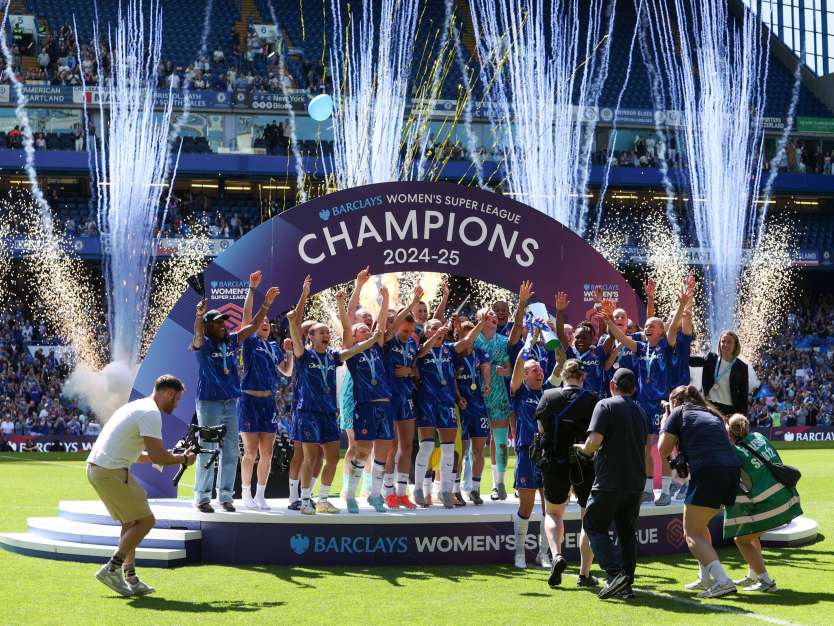
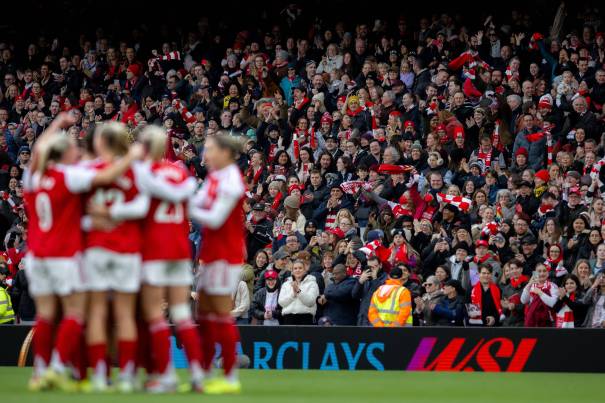
A turning point came in March 2019 when Barclays was announced as the title sponsor of the Women’s Super League, marking the first major league-wide commercial naming rights deal for a domestic women's football league in the UK.
At £5.4m over three years, it was described as the biggest investment in UK women’s sport by any brand at the time and brought a significant injection of funds, including an annual prize fund and wider marketing commitments to the league.
At the time, very few women’s leagues globally operated on a fully professional, league-wide commercial footing, with competitions such as the WNBA and NWSL in the United States among the limited exceptions, making the WSL’s shift toward professionalisation particularly significant in a UK and European context.
This deal renamed the competition to the Barclays Women’s Super League and was a milestone in legitimising the WSL commercially, allowing the league to boost its visibility, improve marketing, and attract additional partners.
The Barclays deal acted as a catalyst for further commercial growth, helping reposition the WSL as a credible, investable professional sports property.

Growing Commercial Value
In the years that followed, the league and its clubs attracted a broader mix of blue-chip partners across sportswear, broadcasting, gaming, and consumer brands.
Barclays further renewed their sponsorship deal in 2024, increasing their investment to £45m over three years in a deal which included the sponsorship of WSL 2, the second tier of women's football in England.
By the 2023/24 season, Nike entered the picture as the official match ball supplier for the WSL and related competitions under a multi-year deal, further diversifying the league’s commercial portfolio. More major brands have since followed, including Mercedes-Benz UK, British Gas, and EA Sports. This influx of brands reflected growing confidence in the women’s game and reinforced the WSL’s status as one of the leading professional women’s football leagues globally.
This period also saw increases in broadcasting exposure, notably long-term deals with Sky Sports and the BBC, which helped make sponsorship inventory more attractive to advertisers by boosting audience figures.
Club Commercial Growth
The growth in the league's sponsorship ecosystem has had a positive knock-on effect at club level. The majority of commercial partnerships within the WSL's ecosystem are negotiated at club level.
Historically, women’s teams have often shared sponsors with their men’s counterparts, particularly on shirts. However, there have been notable women’s-specific deals that extend beyond kit sponsorship.
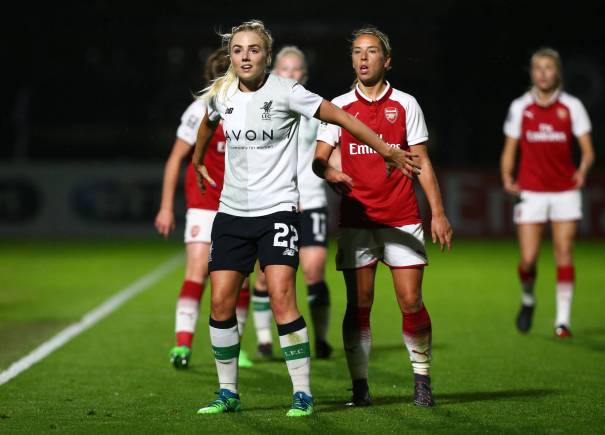
Liverpool Women’s partnership with Avon in 2017 was an early example of a brand aligning directly with a women’s team, signalling the potential for standalone commercial relationships built around women’s sport.
As WSL clubs have professionalised, an increasing number have secured or extended partnerships tailored specifically to their women’s teams across categories such as apparel, training wear, digital activations, and community programmes. These deals reflect growing market confidence, increased visibility, and brands seeking authentic alignment with women’s sport.
This trend is set to accelerate as women’s football continues to attract larger audiences and stronger cultural relevance, with clubs exploring independent commercial partnerships that prioritise women’s team exposure, values, and storytelling.
What This Means for the WSL, Women’s Football & Sponsors
The evolution of sponsorship in the Women’s Super League highlights the commercial value the competition now offers to brands:
What began with modest partnerships and shared sponsors has developed into a portfolio of major commercial deals that rival, and in some cases outperform, traditional men’s leagues in terms of engagement, cultural relevance, and audience growth.
Title sponsorships, official suppliers, digital media partnerships, and innovative brand activations demonstrate a mature, multi-layered commercial ecosystem that enables brands to connect authentically with highly engaged fans while aligning with values-led storytelling and long-term growth.
Crucially, increased commercial investment delivers tangible returns: enhanced broadcast reach, stronger fan experiences, higher performance standards, and greater visibility for women’s sport within the global sponsorship marketplace.
As the WSL enters its next phase of growth, sponsorship is no longer simply a marker of progress - it is a strategic platform for brands seeking scale, relevance, and sustained impact within modern sport.
